- "What are Genes?" / "How Do Gene Changes Happen?
- "How Do We Read Genes?" / "How Do We Test? / "How Do We Use Gene Data?"
- "Diseases Caused by Gene Changes" / "The Future of Gene Testing and Personalized Medicine"
- "What Is a Sequencer?"
"What are Genes?"
Some of us have brown eyes, or are tall, or have curly hair.
These characteristics are decided by “genes” which are like a body's "blueprint," that make up a person’s physical traits.
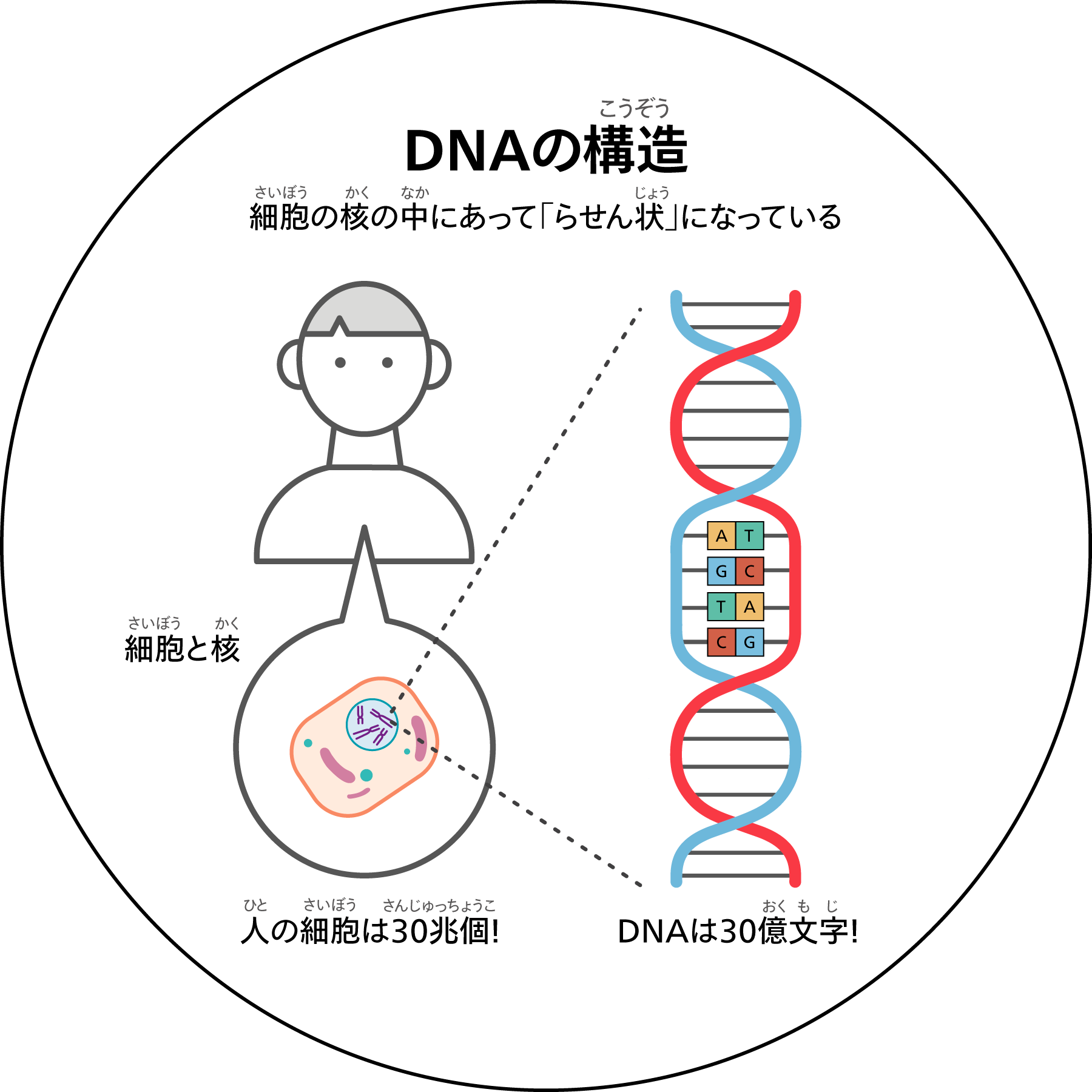 This blueprint is passed down for generations from parents to children, altering the blueprint each time it is passed on.
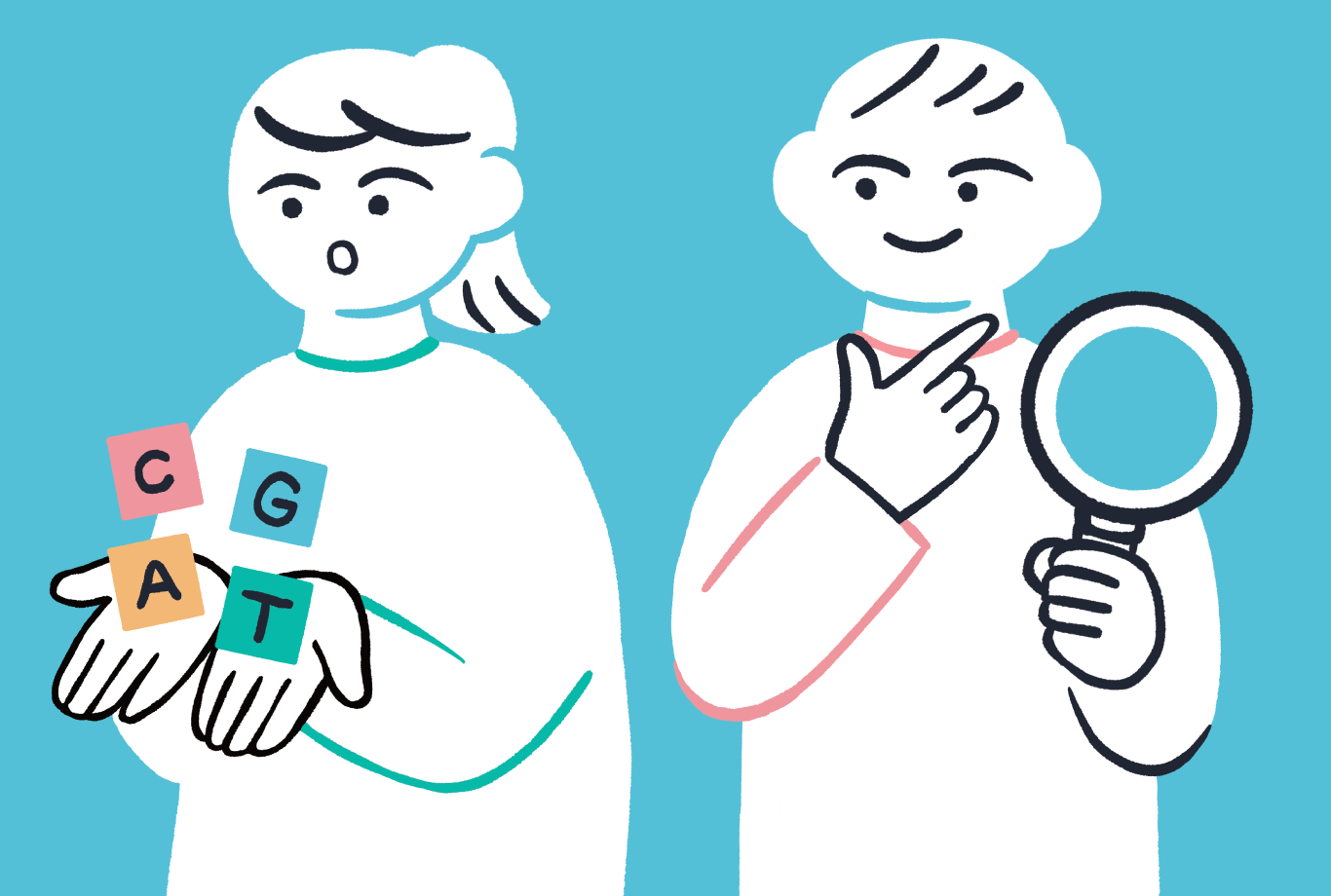
The blueprint is a section within a substance called DNA, which is a very long sequence made up of unique repetition of just four letters: Adenine (A), Thymine (T), Guanine (G), and Cytosine (C).
The sequence of letters A, T, G, and C in DNA are read in increments of three called a "codon".
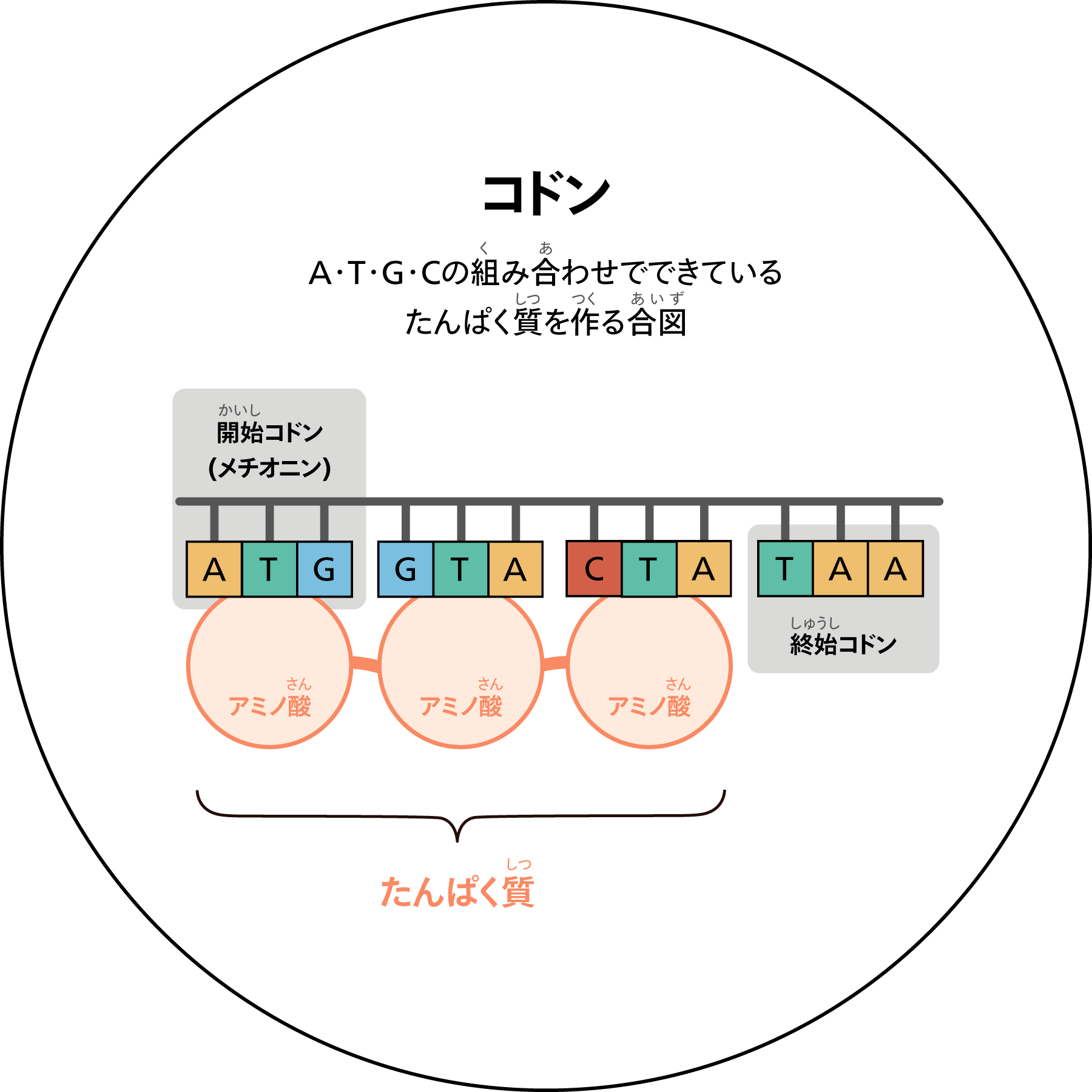 Each codon corresponds to a specific amino acid.For example, the codon "A-T-G" signals to make an amino acid called "methionine", and "G-G-A" signals to make an amino acid called "glycine".
When two or more amino acids are connected, they create a “protein".
Proteins are the basis of body structure, and depending on the order of amino acids they may be a part of different body group such as hair or skin.
There are some common rules for protein.
Methionine (A-T-G) is the start signal for making proteins.
Since there are 64 different combinations to make a unique three letter sequence out of A, T, G, C, there are 64 codons to signal the 20 common amino acids and three stop codons., which tells the cell to stop adding an amino acid to the protein.
Thousands of codons are read to produce many different proteins in our bodies. These three letters work like a "language," giving instructions inside our bodies.
The understanding of gene mechanisms only originated approximately 100 years ago.
Since then, research has gradually advanced, and now we understand many secrets of our bodies.
Humans, dogs, cats, and all living things have slightly different genes, which form the basis for building their bodies.
Inside you and your family, we have many fantastic "stories of genes."
"How Do Gene Changes Happen?
The genes that make up our bodies can sometimes change.
These changes can happen when our parents pass on their genes or as a life form develops over time.
These changes in genes are called "variants".
A variant is similar to drawing a picture; the line changes slightly when your pen slips.
In the same way, when a gene changes, the body's "blueprint" changes a little, which can affect how the body is created or works.
There are two main types of gene variants.
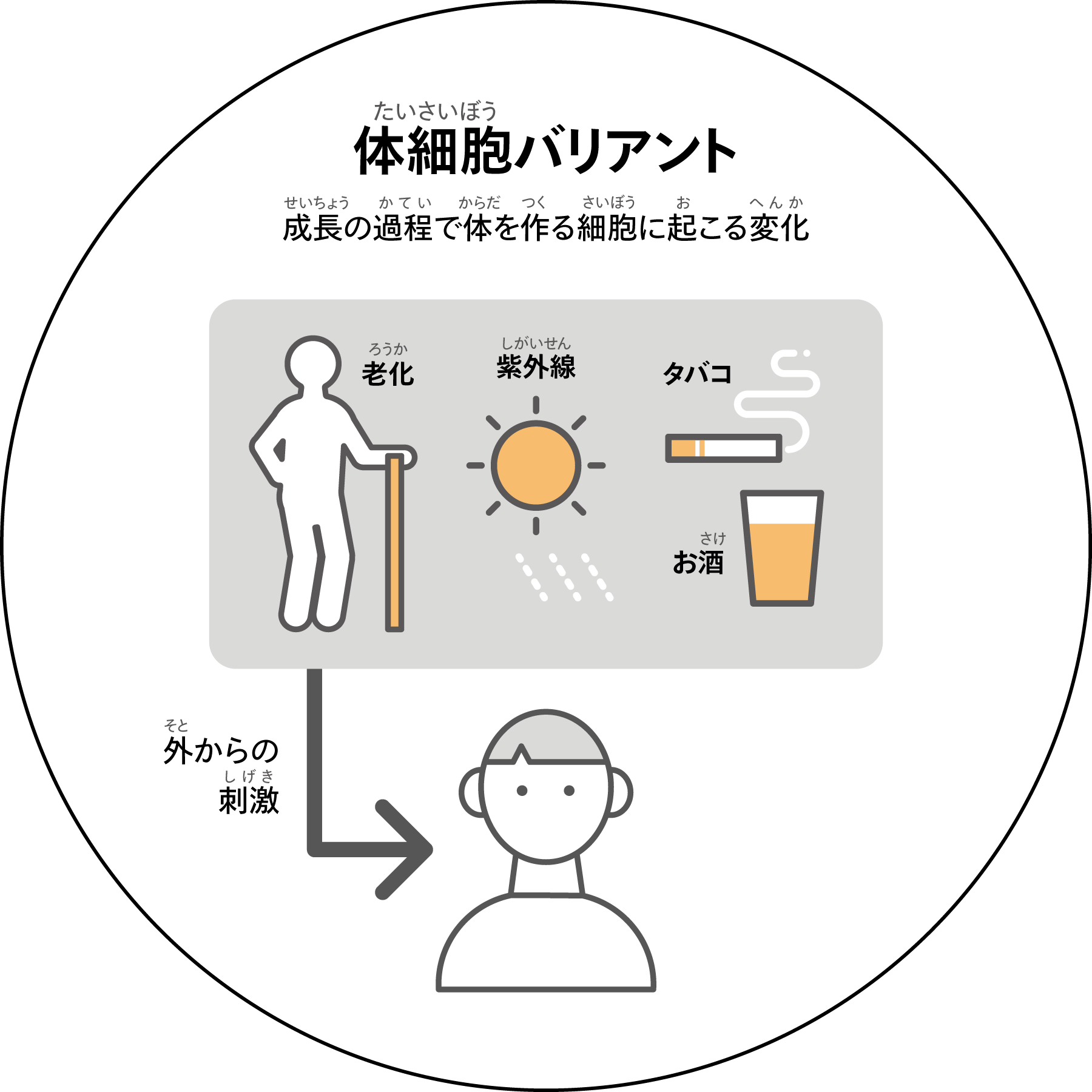
One type happens in the cells that make up your body as you grow.
This is called a "somatic variant".
These changes can happen when cells in your body - like those in your skin or organs - are exposed to things like sunlight (ultraviolet light), certain chemicals, or just as a part of getting older.
Smoking or drinking too much alcohol can also lead to these changes.
Somatic variants affect only that person's body and are not passed on to their children.
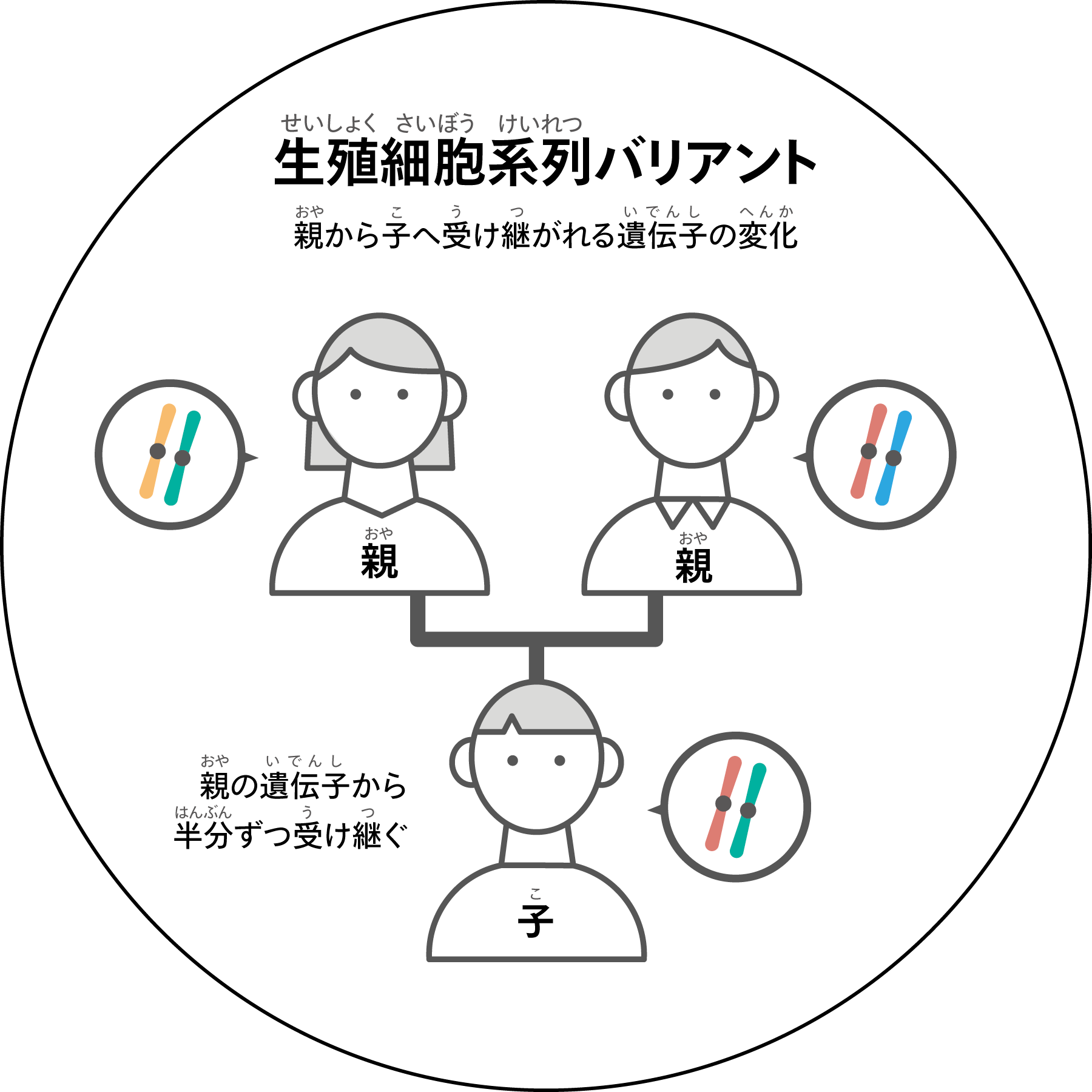
The other type happens in special cells called reproductive cells - like eggs and sperm.
This is called a "germline variant".
These cells are used to create a baby.
If a gene change happens in reproductive cells, it can be passed on to the child.
"How Do We Read Genes?"
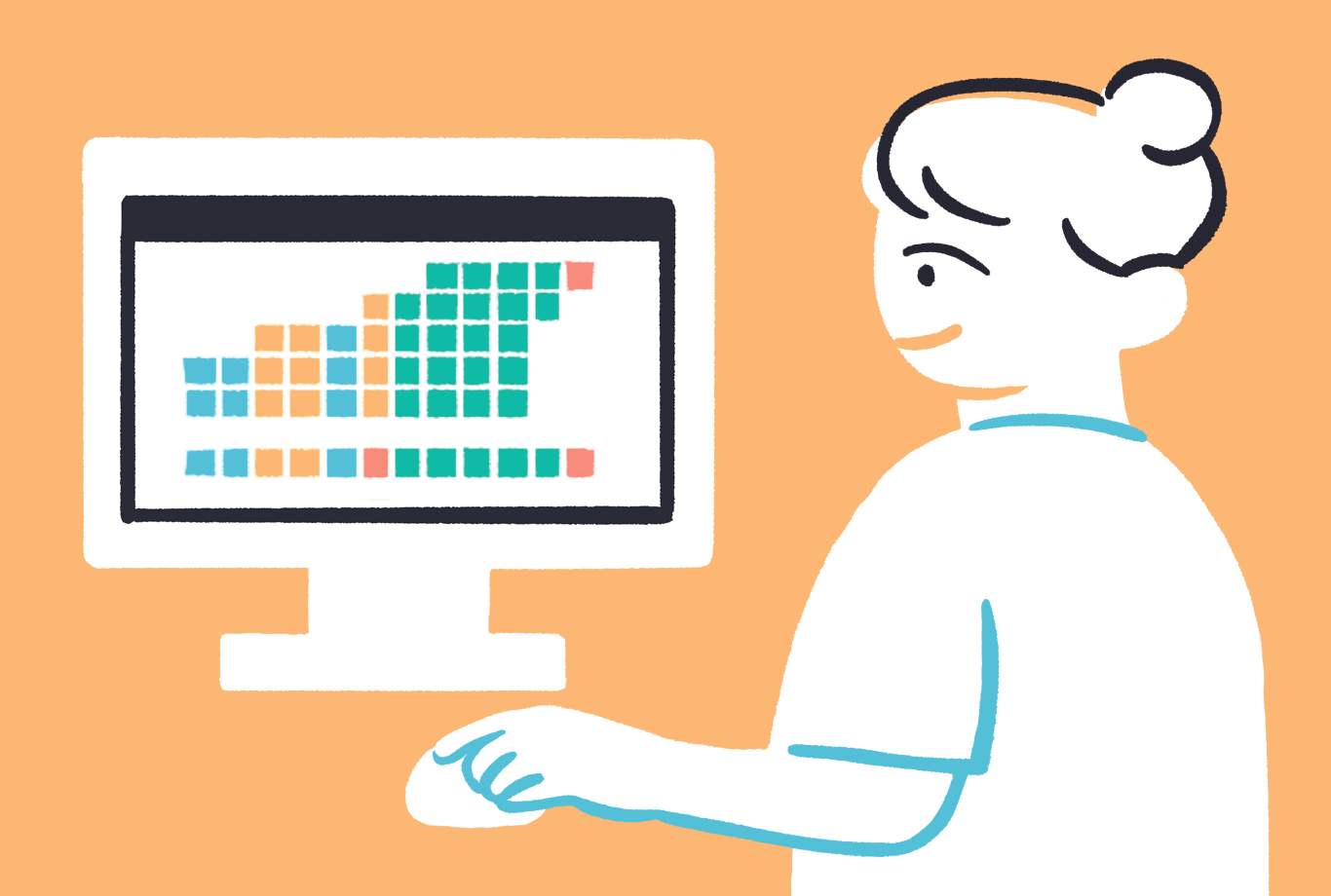
About 20 years ago, a remarkable machine called a "sequencer" was developed, allowing us to read genes - specifically DNA - all at once.
Human DNA consists of about 3,000,000,000 (3 billion) letters. This is about the size of all the letters of each book stored in an entire library!
The enormous amount of information in these genes is complicated to understand just by looking at it with our eyes.
Therefore, it is necessary to use high-performance computers and networks to analyze the gene data read by the sequencer.
Even with computers, analyzing 3 billion letters of gene information is challenging.
That's why researchers and engineers worldwide continually improve programs (algorithms) for gene analysis.
Recently, AI (artificial intelligence) technology has made it possible to analyze gene data faster and more accurately.
"How Do We Test?
Genes are located inside the cells of the body.
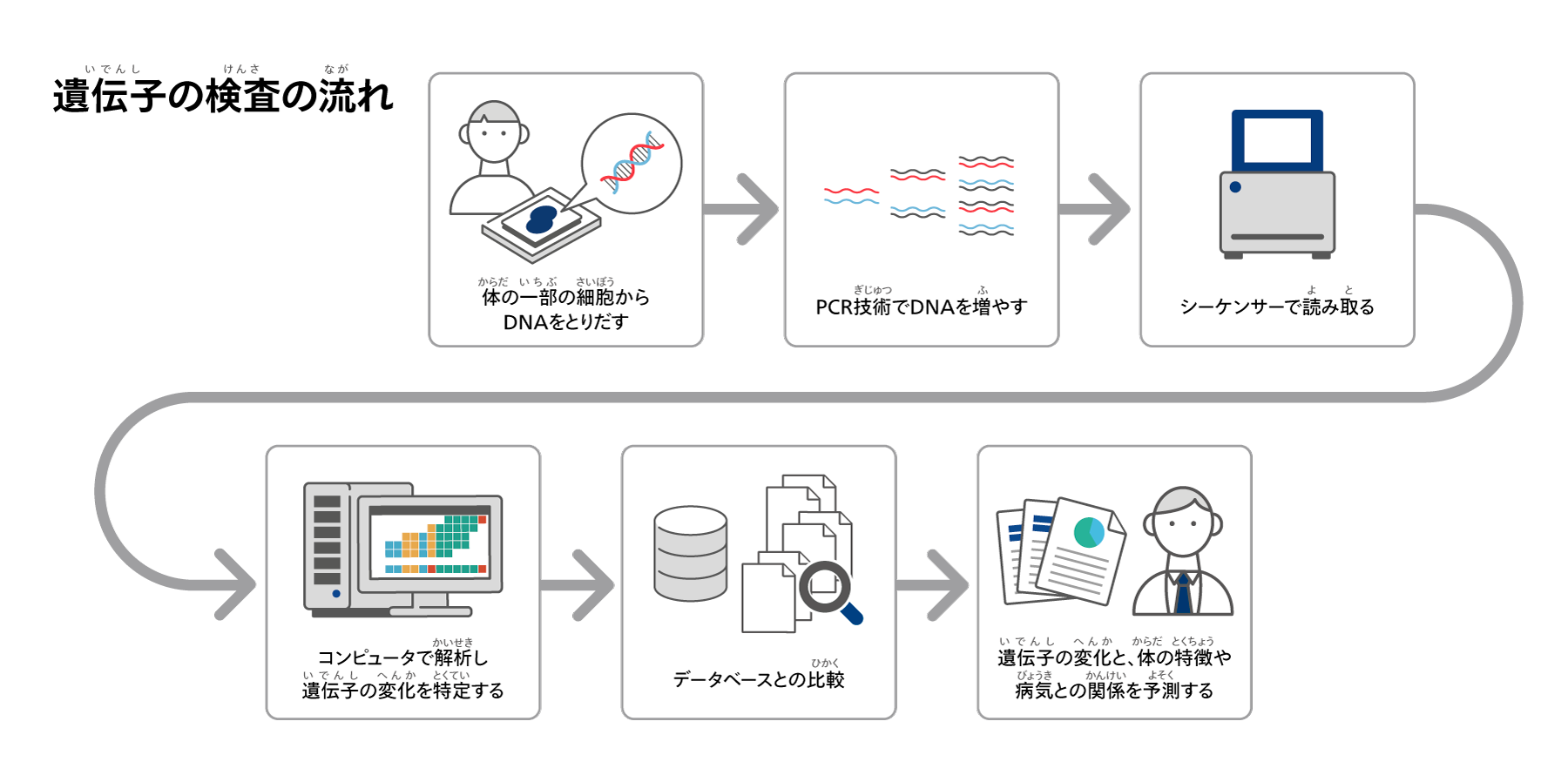
When examining genes, a small sample of cells is taken from blood, the inner lining of the cheeks, or the part of the body you specifically want to check.
DNA is fragile and easily damaged by heat, ultraviolet light, and other natural hazards, so it must be handled carefully and appropriately preserved to avoid degradation.
DNA is then extracted from the cells and further processed to make analysis of sample easier.
The cells are broken down finely, and the DNA is carefully separated away.
Because DNA is very delicate, the work must be done carefully; otherwise, the DNA can be easily damaged, making accurate testing impossible.
Since the extracted DNA is very small in amount, a technique called "PCR" is used to make multiple copies of a DNA sequence.
By heating and cooling the DNA, along with bits of DNA called nucleotides, one piece of DNA becomes two, then four, then eight copies, increasing like magic by gathering the DNA bits.
The DNA amplified by PCR is further processed into an easier-to-read form. Then, a sequencer reads the DNA letters.
A sequencer is a machine that reads the DNA letters in order.It reads the DNA letters individually, just like reading a book.
The read letters are analyzed by a computer to determine what information the genes contain.
"How Do We Use Gene Data?"
When scientists inspect a person's DNA - all 3 billion letters of it - they look for gene changes that might be linked to physical traits or diseases. To understand whether a particular gene change is essential, scientists must compare that person's DNA with the DNA of many other people.
This is where a "gene database" is used.
This is like a massive collection of gene information from people worldwide.
These databases organize and store information about gene changes and their relation to certain body traits or disease conditions.
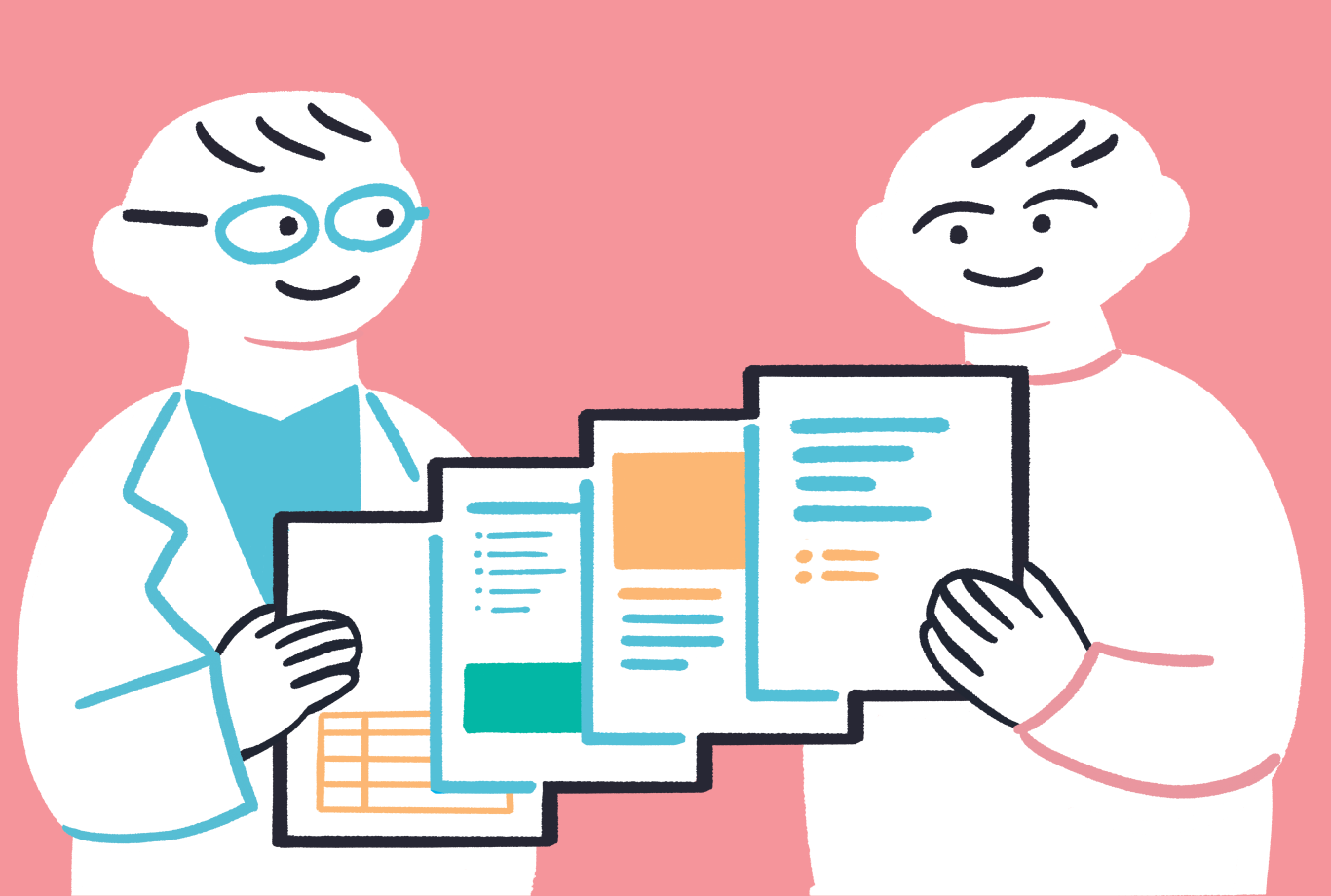
By comparing a person's gene data to the gene database, scientists can better predict which traits or health risks might be connected to that person's genes.
"Diseases Caused by Gene Changes"
Gene changes (variants) can cause various diseases.
For example, when a gene changes, the proteins produced in the body may not be made properly, which can lead to disease.
The most well-known disease caused changes in a gene is "cancer".
Cancer is a disease in which cells grow uncontrollably, and it is understood that changes in genes are the cause.
It's like having a mistake in a "blueprint", which causes the building to be constructed incorrectly.
Also, some rare diseases can also be caused by gene changes.
These diseases can often be caused by gene changes a person is born with and may show symptoms from a young age.
Recently, advances in gene testing technology have made it possible to find out which variants are causing diseases.
Based on these results, it has become possible to choose treatments suited to each individual.
"The Future of Gene Testing and Personalized Medicine"
Gene testing technology is rapidly advancing.
As more people can have their genes tested faster and more accurately, it will become possible to receive treatments and preventive care tailored to each person's unique body as part of common medical care.
It's like choosing clothes that fit you well instead of everyone wearing the same size - personalized medicine allows each person to receive care suited to their needs.
This medical care tailored to each person's differences is called "personalized medicine."
For example, the "cancer genome profiling test (cancer gene panel test)" has become popularized in cancer treatment in recent years.
This test examines the genes of cancer cells and finds the changes that cause the cancer. Based on this, physicians and you can choose the best treatment for the individual.
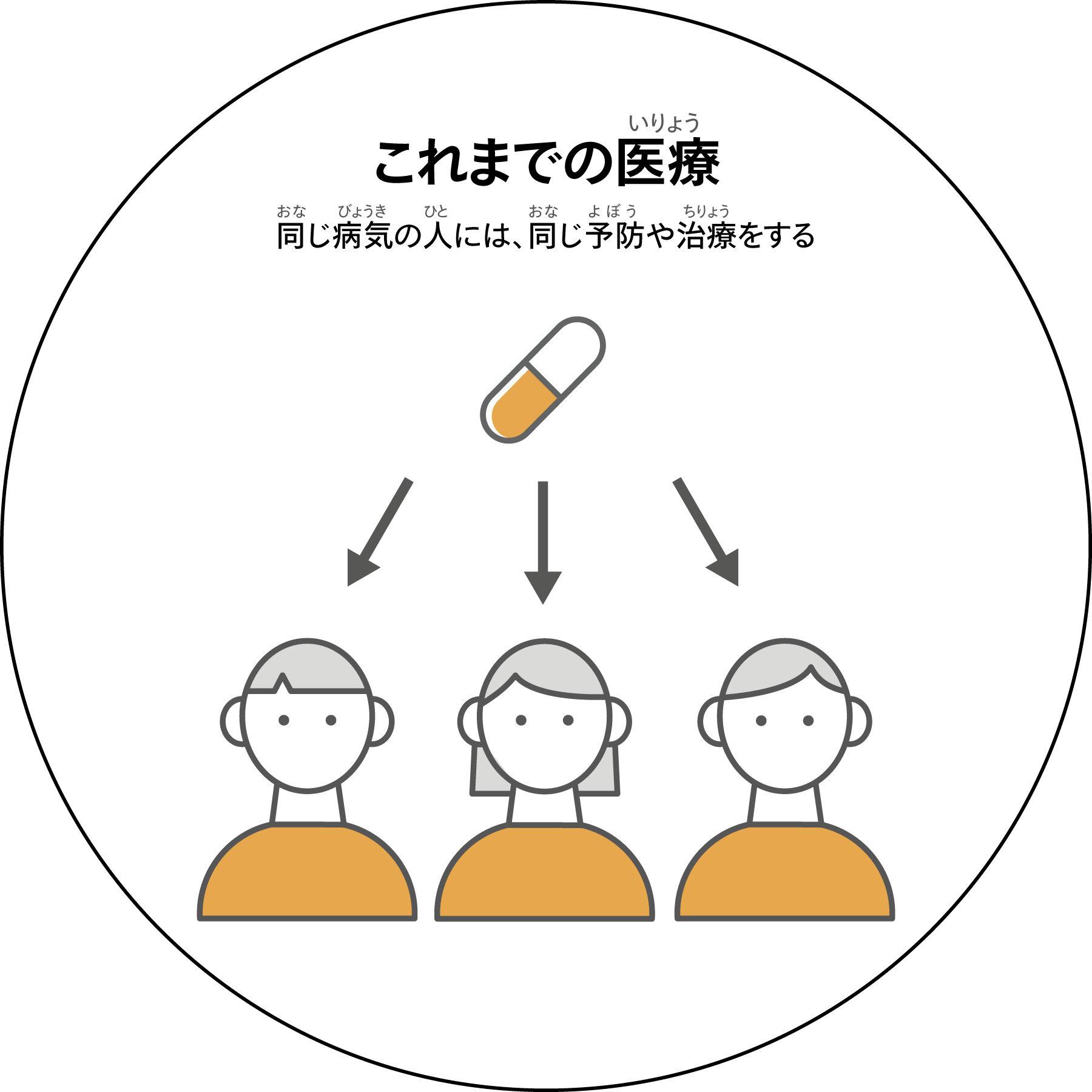
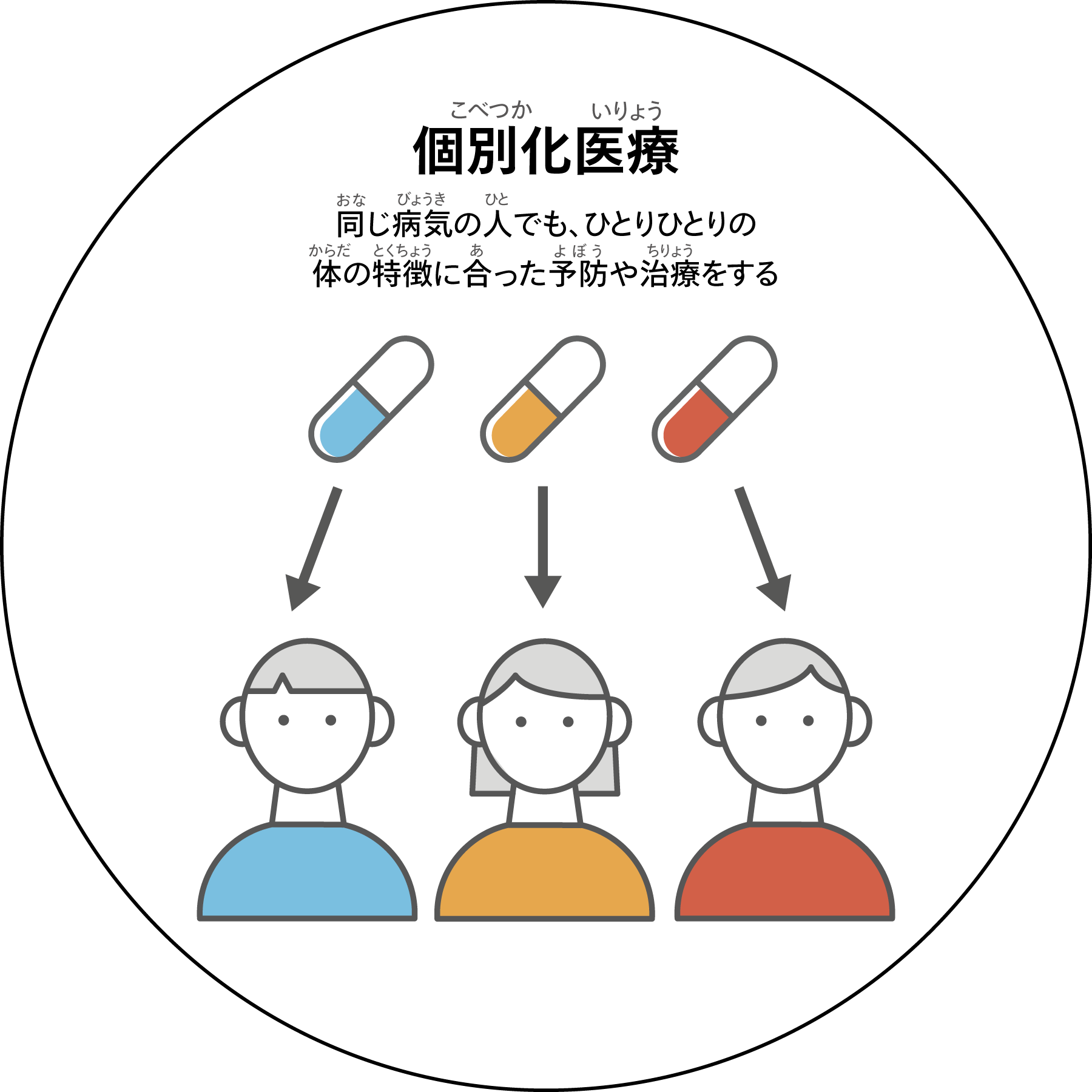 Personalized medicine is a new approach from "the same treatment for the same disease" to "treatment based on the individual's body and disease characteristics."
Also, knowing your own inherited traits and risks for diseases can provide essential indications for maintaining your health in the future.
Right now, many gene researches are being conducted worldwide.
As we deepen our understanding of genes, personalized medicine, which is still in its early stages, will have the power to transform significantly the future of healthcare.
A brighter future begins with knowledge!
Why not learn about genes and join us in improving the world?
"What Is a Sequencer?"
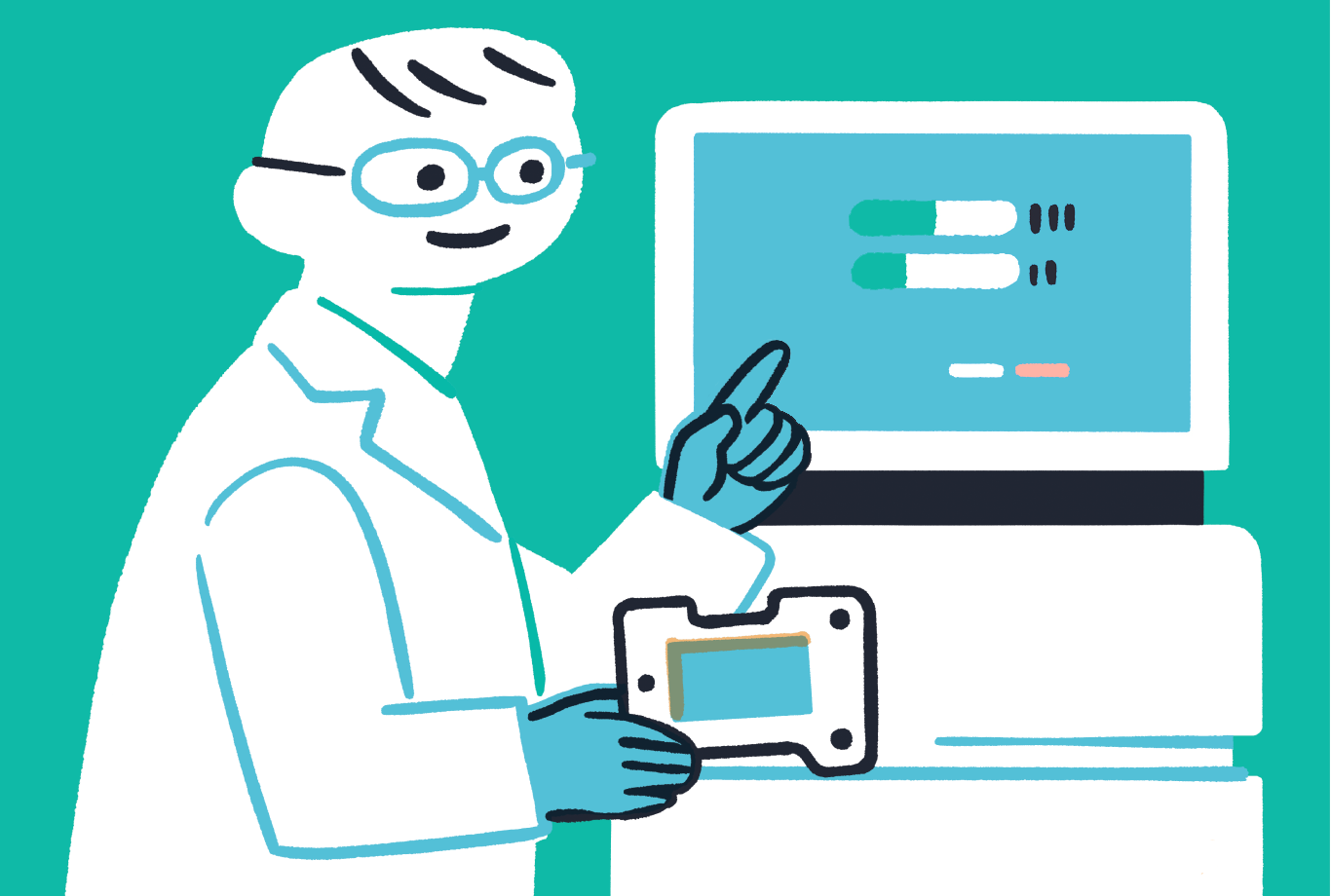
A sequencer is a technology that reads the sequences of DNA or RNA bases quickly and comprehensively.
RNA bases quickly and comprehensively.
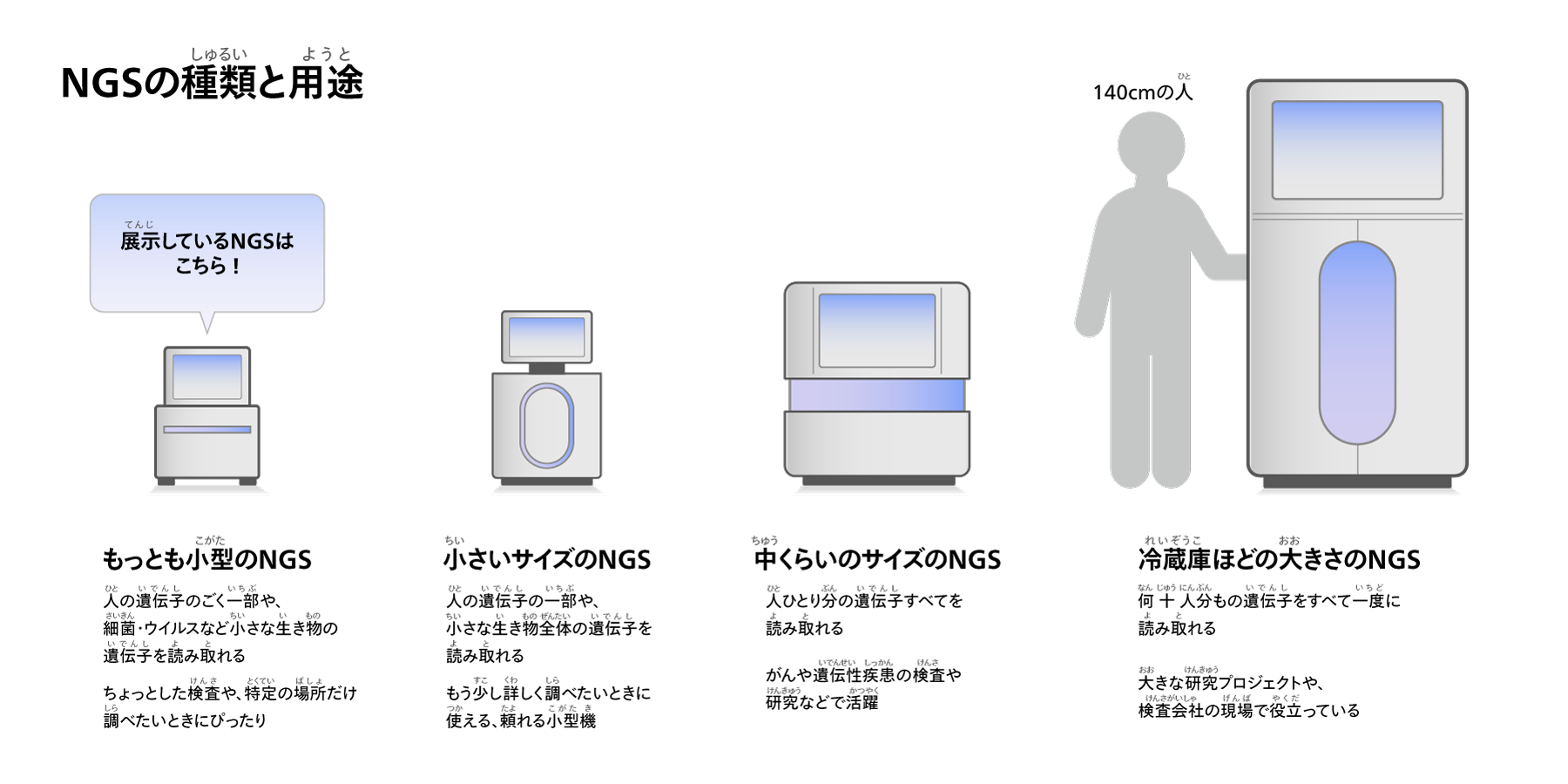
In particular, next-generation sequencers (NGS) can read a large amount of DNA (genes) simultaneously in a short time, and their use is expanding in various fields of medicine and research.
NGS is like a machine that can read many books at the same time.
It tags each small piece of DNA and reads them all at once with the machine.
It can quickly and accurately read much gene information because it simultaneously reads many copies of DNA.
The processing speed is breakneck by reading all these sequences simultaneously, allowing it to read billions of DNA letters in just a few hours.
Additionally, NGS can be done in different sizes and capabilities, ranging from those that can read only a small number of genes, to those that can read all of a person's genes, and even those that can read the genes of dozens of people.
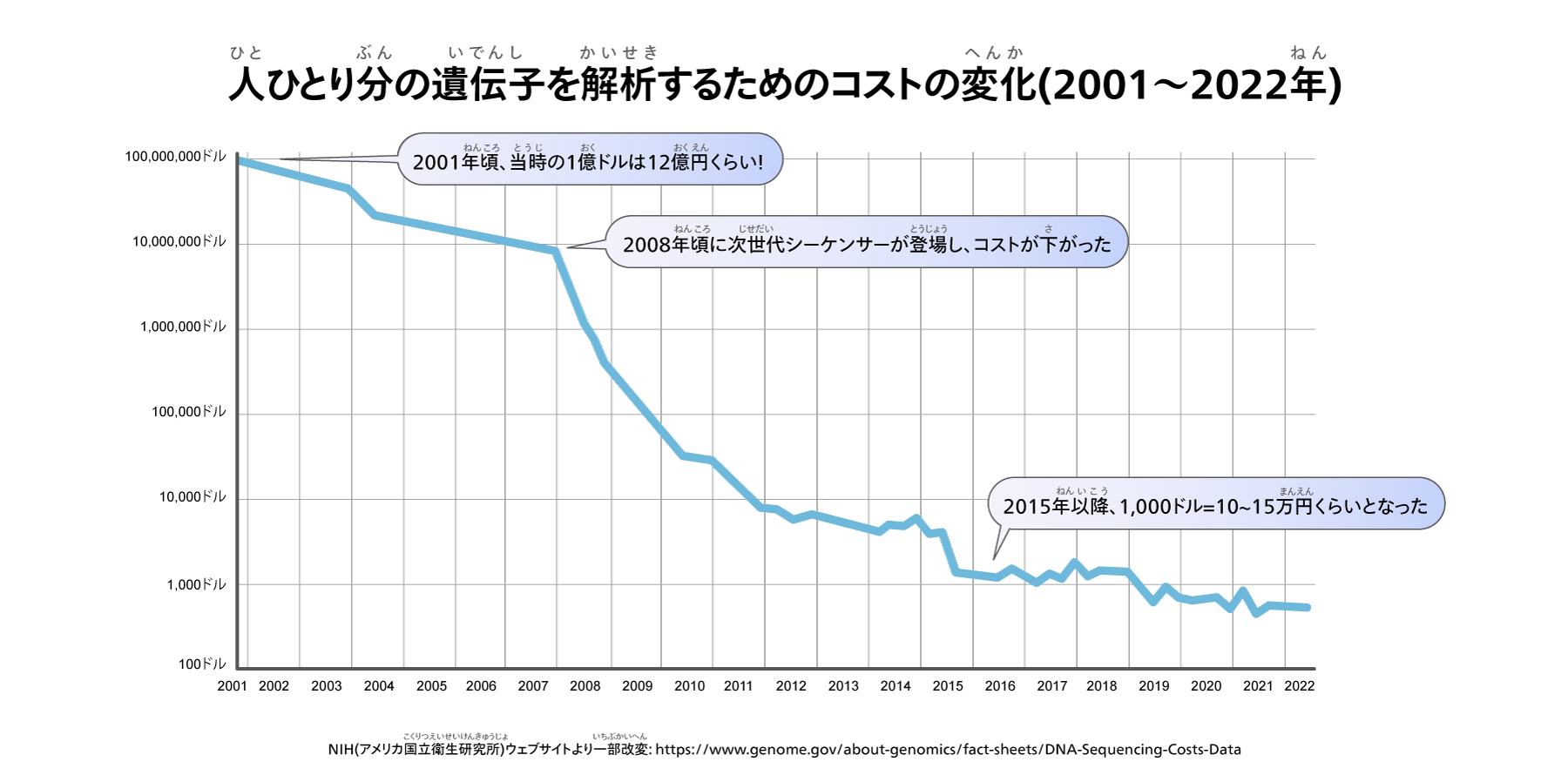
Until a few decades ago, examining genes and DNA was very expensive.
Thanks to advancements in NGS technology, the cost has dropped significantly.
Then, testing one person's DNA costs roughly several hundred US dollars.
NGS is already used in many spots of medicine, including:
- Treatments tailored to the characteristics of cancer
- Diagnosis and treatments of rare hereditary diseases
- Identification of viruses and bacteria
- Development of new drugs and treatments
- Prevention by scanning individual traits and disease risks